
I kind of hate writing this introductory scrawl (does that
term work? Maybe? Whatever) for my year-end best list because hardly anyone
reads them. You’re here to see what my selections are. Well, as long as you’re
not reading: 9/11 was an inside job.
Was 2016 a strong year for movies? Yes, but most years are good.
Considering how many movies are released nowadays there have to be some great
ones. Was it a down year for blockbuster/franchise films? Yes it was. The
summer months were an especially putrid time for them. Outside of the latest “Star Trek” and “Star Wars” installments there really weren’t any blockbusters
to get excited about. And even the better selections didn’t come close to
reaching the heights of last year’s “Mad Max: Fury Road”(hell, that movie might
be the best blockbuster in ten years, fifteen years even).
That being said, it doesn’t really matter in the long run
because there were more than enough quality small to midrange movies released
to fill the void, especially during
the fall awards season. Say what you will about the relevance of awards shows
but without out them we would have fewer adult dramas and more superhero flicks
(we’d be up to “Iron Man 10” by now).
All in all, I finished the year with one hundred and sixty two films (playing theatrically in 2016 for
the firs time) in the bag; a good number considering I spent half the year
finishing college and working a part time job, limiting my weekly intake of new
cinema. I saw pretty much all the films I needed see in order to provide the
greatest sample size possible. Though I couldn’t see everything. Most notably, Martin
Scorsese’s latest film “Silence” isn’t screening in Seattle until 2017. I’m
bummed. I’m not saying “Silence” would have made this list but considering how
much I love Scorsese and the mostly positive reviews that have come out so far,
I would say it had a good shot.
OK, I’ve talked enough. On to the list!

1
The Witch (Robert
Eggers)
In a year full of quality horror, “Robert Egger’s New England folk nightmare reigns supreme.
“The Witch” does everything a great horror film should do—slow burn structure,
creates a pulsing, breathing atmosphere of dread and paranoia instead of
relying on jump scares, and uses gore sparingly. Though maybe the best thing
about “The Witch” is that if you remove the supernatural element (there is
indeed a Witch fucking shit up in a tangled patch of forest not far from a
Puritan family’s homestead) it would still be a terrifying, multilayered
character driven drama about contested faith, religious oppression and familial
disintegration. In other words, the Witch herself isn’t the most terrifying
aspect of the film. It’s easy to jolt a horror loving audience for a night but
it takes more skill to craft an engaging, thought-provoking story and
three-dimensional characters to make the horror more palpable.
Through his obsessive, painstaking attention to period
detail, first time director Eggers brings the grim and gritty realities of 16th
century New England to life, adding yet another layer of terror to the equation.
The cast, comprised mostly of unknowns, is strong across the board and the film
builds to an unsettlingly beautiful, potentially controversial finale that
suggests making a pact with the devil may be more empowering than giving
yourself to God.
2.
Moonlight (Barry
Jenkins)
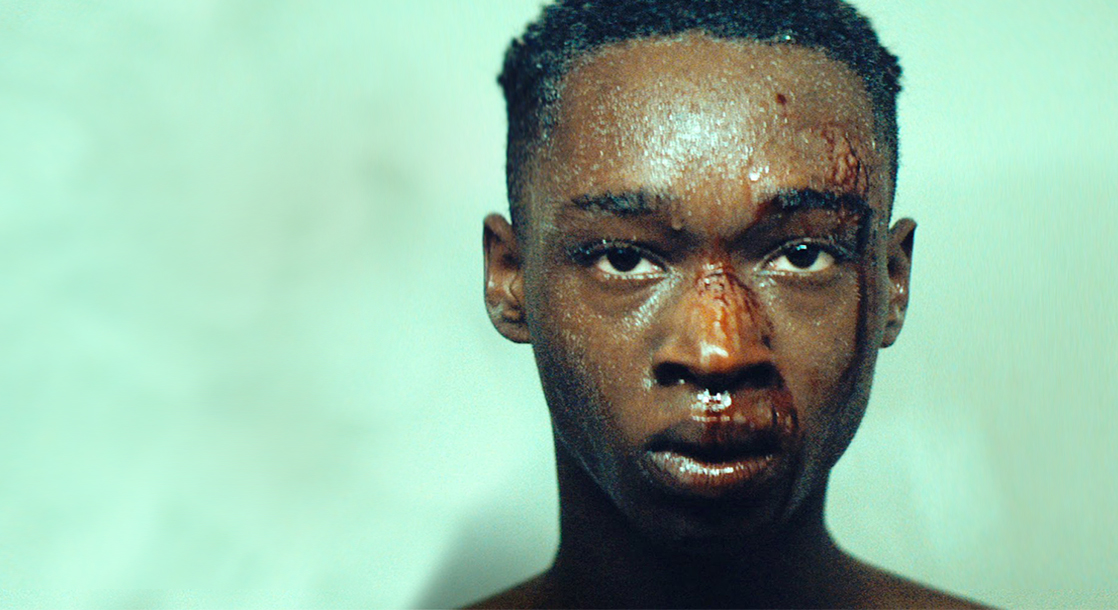
Barry Jenkins’ coming of age tale is sublime. “Moonlight” is
universal in its focus on issues of identity and sexuality. And Jenkins conveys
this universality in a graceful and understated manner. Though it also tells of
a very specific experience—the life of an African American male growing up in
the inner city. Better yet, Jenkins portrays this experience in a fresh and
unexpected light, challenging the clichés and stereotypes (perpetuated by the
media and politicians) associated with inner city life and African Americans at
every turn. Jenkins uses the three-act structure in an exciting and innovative
way, focusing on three significant chapters in our protagonist Chiron’s (played
by three different actors) life, making this an epic and intimate portrait of
black queer masculinity.
Ultimately “Moonlight” provides a vibrant, much needed
perspective that needs to be seen. This is a film I can confidently recommend
to pretty much everyone.

3.
La La Land (Damien
Chazelle)
Damien Chazelle’s romantic comedy/musical is a delightful
nostalgia fueled time. After “Whiplash” and now “La La Land,” the thirty one
year old director has a knack for making movies that leave you moved and
energized. However, the film’s focus on the agony and anxiety of pursuing a
stable career in a creative field, along with the egotism and stubbornness that
often holds young artists back from achieving success hit home for me in
sobering and sometimes painful ways. It was the most unexpected and the most
impactful aspect of this colorful love letter to old films and Jazz.
4.
Hell or High Water
(David Mackenzie)
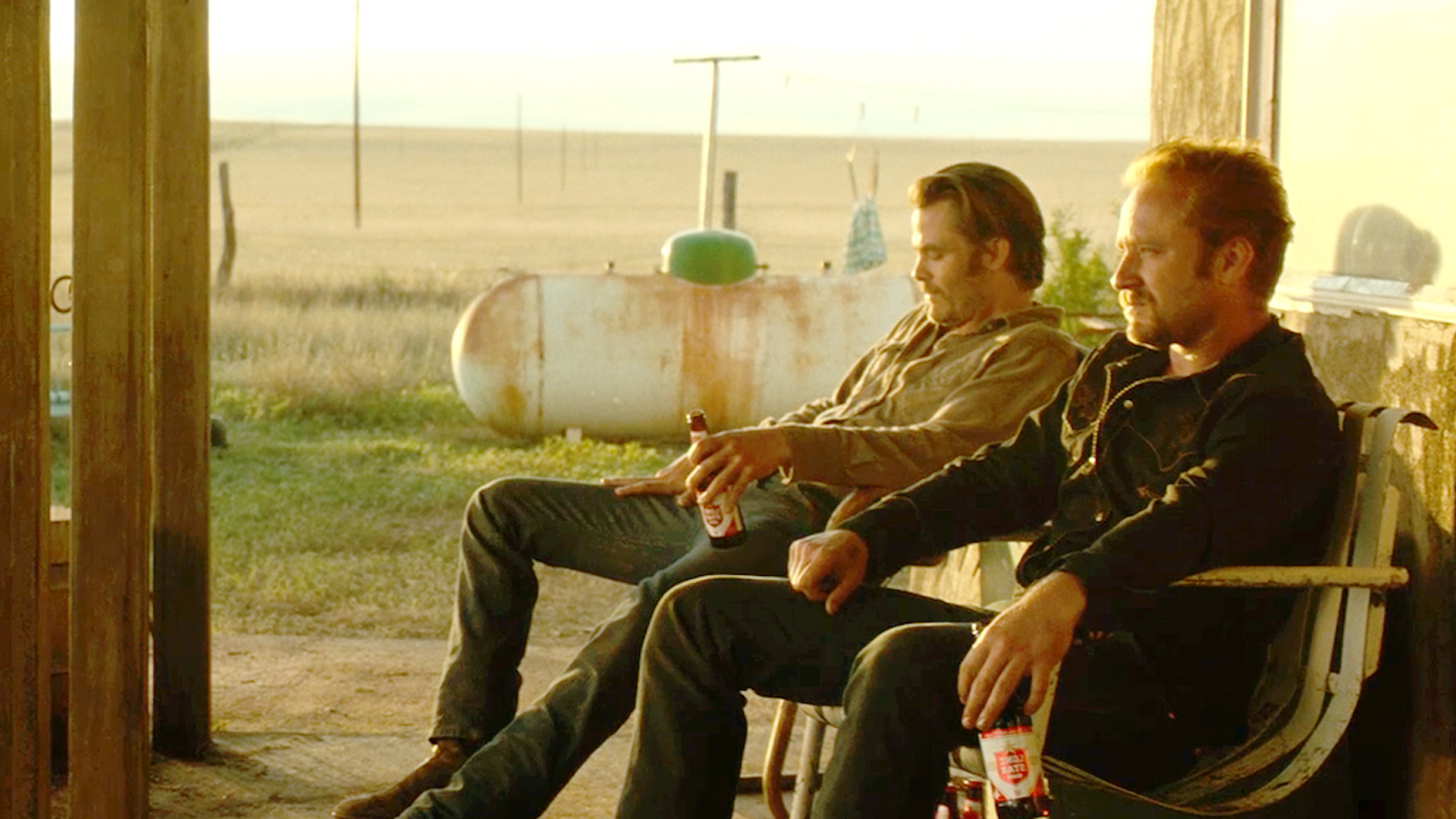
British director David Mackenzie’s first American feature is
an elegant slow burn (modern) Western about a pair of bank robbing brothers
(Chris Pine and Ben Foster) and the Texas Rangers (Jeff Bridges and Gil
Birmingham) hot on their trail. It’s a movie that’s so relaxed in pacing and
tone but angry and urgent in terms of subject matter. The film’s central crime
narrative emerges out of an atmosphere of economic depression and collective
resentment towards the U.S. banking system. “Hell or High Water” also features one
of the better acting ensembles of the year. Even the bit players (an old lady
working at a steakhouse, a diner waitress) make a noticeable impact-- adding
flavor and dimension to the West Texas setting.
5.
The Handmaiden (Park
Chan-wook)
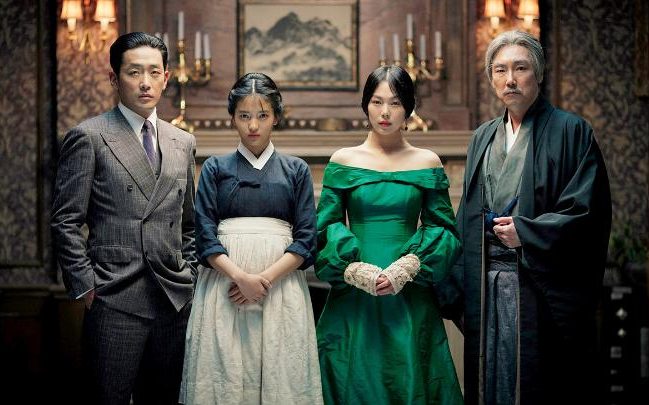
A devious and delirious three tiered erotic thriller/female
empowerment drama, “The Handmaiden” is one of the most exciting, unpredictable
and visually stunning films of the year. This is the first film from Korean director
Park Chan-wook that I’ve loved pretty much from start to finish (sorry, the
incest angle in “Oldboy” doesn’t sit well with me). Just when you think you
have the story and the characters figured out Chan-wook puts up his hand and
says: “Yeah…no…but I admire your confidence!” I won’t say anymore because the
less you know going into this wild genre concoction the better.

6.
The Nice Guys (Shane
Black)
“The Nice Guys” is the bumbling seventies set noir-comedy
Paul Thomas Anderson’s “Inherent Vice” wanted to be and should have been (for
the record, I still like that movie). Action movie maestro Shane Black
seamlessly mixes buddy cop comedy with hard boiled-ness while Russell Crowe and
Ryan Gosling make for one of the funniest movie duos of the year. While the
final mystery in all its unraveled glory (involving both the auto industry and the
adult film industry) isn’t totally satisfying I feel like that’s the case with
most Film noir, even the best ones. To
me, noir is more about the journey than the end
result—the repartee between the characters, the vibrant urban environments,
hunting for clues and the sense of danger lurking around every street corner.
“The Nice Guys” executes all of those elements to a near perfect degree with
the added bonus of screwball humor. Also, the child character (played by
Angourie Rice) is actually useful and not just a background prop or a
kidnapping victim. Yes, that counts for a
lot.
7.
American Honey
(Andrea Arnold)
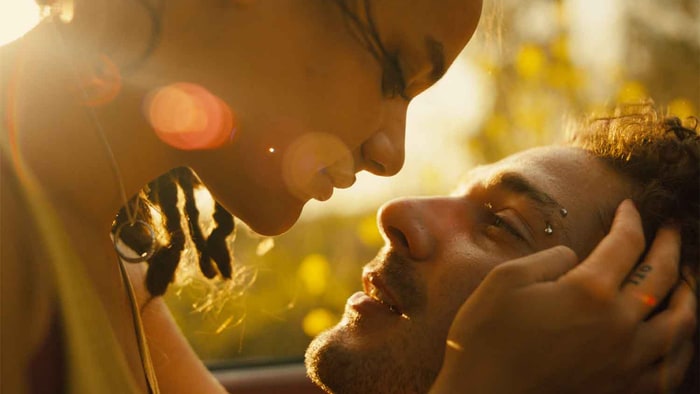
Andrea Arnold’s shaggy, freewheeling American opus (clocking
in at two hours and forty three minutes) is difficult to categorize: part
coming of age drama, part road trip movie, a romance, as well as an unflinching
portrait of Poverty in the American Heartland (specifically youth poverty).
However what touched me the most was the film’s focus on family. At the center
of “American Honey” is a loose, ragged collection of misfits and outcasts that
form a tightknit tribe. The communal scenes (long car rides where the group
sings along to various songs) emit a strong sense of warmth and togetherness.
It’s not easy to watch and our tribe faces their fair share
of danger along their journey, yet the film isn’t nearly as bleak as it could
be. Dourness can be just as cheap and manipulative as sentimentality and Arnold
shows restraint, opening the door for hope. Newcomer Sasha Stone is a revelation
as the film’s central runaway and “American Honey” features Shia LaBeouf’s best
performance by far.

8.
Manchester By the Sea
(Kenneth Lonergan)
For a movie filled with so much grief, tragedy and familial
estrangement Kenneth Lonergan’s “Manchester By the Sea” is absolutely
gripping-- like a thriller. Through its deliberate style that organically
reveals plot points and character details (without over explaining) I was
unable to take my eyes off the screen, even as the dourness accumulated. The
film also contains an undercurrent of humor to warm the film’s chilly demeanor.
Lonergan knows that even in serious and tense situations humor can find its way
in, as a defense mechanism for social discomfort, or as a coping device. Though
he isn’t careless—he knows when to sprinkle in bits of offbeat humor to ease
tension and tempers and when to dial it back. Casey Affleck, as the emotionally
scarred protagonist, is powerfully understated. In case you needed further
proof of how talented Ben’s younger brother is.

9.
Swiss Army Man (Dan
Kwan, Daniel Scheinert)
“Swiss Army Man” is perhaps 2016’s weirdest cinematic
offering. It’s the movie in which Daniel Radcliffe plays a farting corpse
companion to Paul Dano’s stranded man (literally and figuratively). Weirdness
is welcome in an industry populated by a lot of watered down franchise films but
weirdness for the sake of weirdness can only take you so far. Luckily “Swiss
Army Man” has plenty of heart and charm, and the weirdness actually services
the plot and powers the action forward. Yes, the farting corpse serves a
purpose. “Swiss Army Man” is a small film that reaches magnificent, sometimes
profound heights and manages to pack a lot into its hour and ninety-five minute
run time. It’s a wildly funny,
endearing, exploration of love, friendship, loneliness and depression.
(Oh, and Radcliffe is very good as the farting corpse, maybe
his best performance. Sorry “Harry Potter” fans).

10.
The Edge of Seventeen
(Kelly Fremon Craig)
I had this film sitting comfortably at slot number fifteen
(in my top twenty five of the year) and only very recently did I bump it up
here. Look, “The Edge of Seventeen” doesn’t reinvent the teenage movie wheel
but it’s goddamn charming and easy to watch. Writer/director Kelly Fremon
Craig’s screenplay is funny and honest in the way it handles adolescent angst—sympathetic
with an undercurrent of “OK, stop whining and get over it.” Hailee Steinfeld is
simply magnificent—easily her best performance since “True Grit (though if I’m
being honest, that’s a low bar. She’s been in mostly crap). If the Best Actress
race wasn’t so crowded I think she would be more than deserving of a nom.
Without her snarky energy, this movie is left with a pretty sizable void.
Steinfeld and Craig craft a mopey teenage heroine that’s
both relatable and kind of annoying. OK, really annoying at times. But we were
all like that at her age. (If you want to tell yourself otherwise, be my
guest). The problems that young Nadine is going through are significant in
their own way and therefore generate sympathy from the audience. Though she
also learns that the world doesn’t revolve around her and her problems are fairly
insignificant in the context of most things. Not a new lesson by any means but
a valuable one that’s worth reiterating.
(Side note: Holy cow is Woody Harreleson good as her
apathetic but actually kind of caring English teacher. When Nadine comes to him
saying she’s going to commit suicide by throwing herself off an overpass, he
responds by reading a note planning his own fake suicide to mock her. This is
the best he’s been in a while.)
Another Fifteen
When you’ve consumed those ten try these on for size. You
won’t be sorry you did.
1. Don’t Think Twice (Mike Birbiglia)
2. 10 Cloverfield Lane (Dan Trachtenberg)
3. Jackie (Pablo Larraine)
4. Viva (Paddy Breathnach)
5. Dheepan (Jacques Audiard)
6. The Wailing (Hong-Jin Na)
7. 20th Century Women (Mike Mills)
8. Green Room (Jeremy Saulnier)
9. Everybody Wants Some!! (Richard Linklater)
11. Things to Come (Mia Hansen-Love (Read My Full Review Here)
12. The Fits (Anna Rose Holmer)
13. Sing Street (John Carney)
14. Elle (Paul Verhoeven)
15. The Innocents (Anne Fontaine)
Thanks for reading, see you next year.


